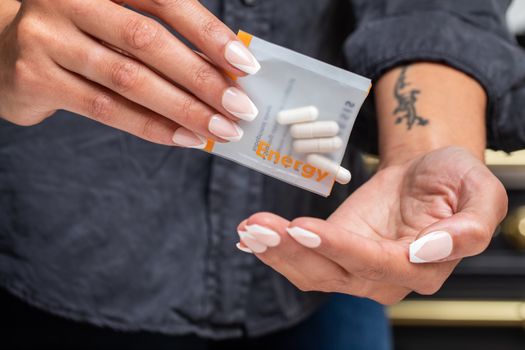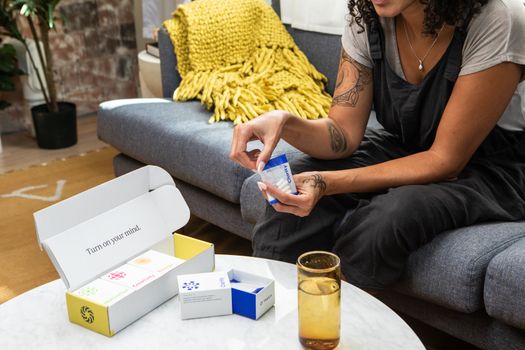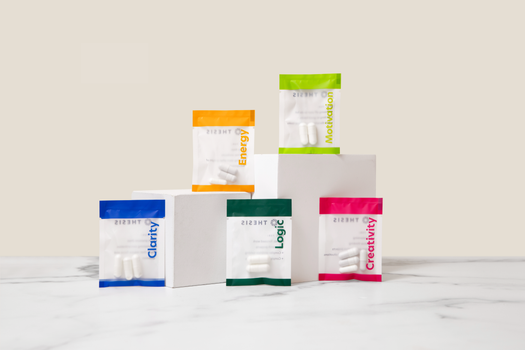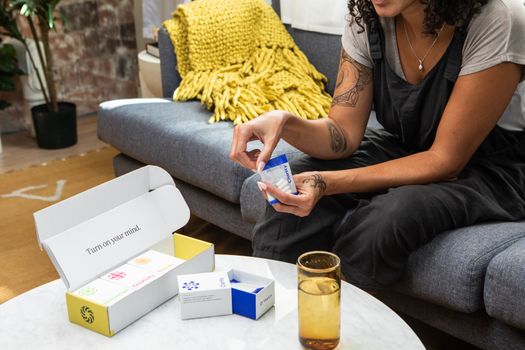
The dietary supplement industry is booming, with global sales exceeding $177 billion in 2023 and projected to reach $230 billion by 2027. As more consumers seek tailored wellness solutions, expectations for a personalized customer experience are at an all-time high. In such a competitive market, brands that offer a customized journey not only build loyalty but also increase conversion rates and long-term value. But how can supplement sellers stand out and truly customize the customer experience? Let’s explore actionable strategies, real-world examples, and key data to help your brand elevate every customer interaction.
Understanding the Modern Supplement Consumer
The first step in customizing the customer experience is understanding who your customers are and what they desire. Today’s supplement shoppers are informed, health-conscious, and digitally savvy. According to a 2023 Nutrition Business Journal survey, 68% of supplement buyers conduct online research before purchasing, and 57% expect advice tailored to their personal health goals.
Modern buyers are often seeking: - Solutions for specific health concerns (sleep, immunity, energy) - Products that fit dietary restrictions (vegan, gluten-free, allergen-free) - Information on sourcing, efficacy, and transparency - Ongoing education, not just one-time transactionsTo meet these expectations, brands must move beyond a “one-size-fits-all” approach and anticipate customer needs at every touchpoint.
.png)
Leveraging Data for Personalization
Data-driven personalization is the foundation of a customized customer experience. By leveraging customer data—while respecting privacy—you can deliver relevant content, recommendations, and offers that resonate.
Key data sources include: - Purchase history: Knowing what customers have bought in the past enables intelligent cross-selling and up-selling. - Browsing behavior: Tracking which pages and products customers view helps you understand their interests. - Demographics: Age, gender, location, and lifestyle factors can refine product suggestions. - Survey responses: Short quizzes or intake forms capture goals, preferences, and restrictions.For example, supplement brand Care/of uses a brief online quiz to recommend a daily vitamin pack tailored to each customer’s needs. This approach has helped the company achieve high retention rates and strong word-of-mouth referrals.
Here’s how different personalization strategies compare:
| Personalization Method | Benefits | Challenges |
|---|---|---|
| Purchase History Analysis | Relevant product suggestions; higher repeat orders | Requires robust data tracking; privacy concerns |
| On-site Quizzes | Collects rich insights; improves first-time purchase alignment | Potential for user drop-off; needs maintenance |
| Email Segmentation | Targeted messaging; increased open and click rates | Needs quality email list; can be labor-intensive |
| Loyalty Program Data | Rewards engagement; identifies top customers | Implementation can be complex |
A 2022 McKinsey report found that 71% of consumers expect personalized interactions, and 76% get frustrated when this doesn’t happen. Leveraging the right data at the right time can be a major differentiator.
Tailoring Product Recommendations and Content
Once you have customer data, the next step is using it to tailor recommendations and content. This goes beyond the basic “customers also bought” approach.
Effective tactics include: - Dynamic website content: Show different homepage banners, blog articles, or product highlights based on user profile or browsing history. - AI-powered recommendation engines: Use machine learning to suggest supplements aligned with each customer’s goals, habits, and prior purchases. - Personalized educational content: Email or in-app tips, guides, and videos addressing specific health concerns.For instance, Persona Nutrition sends personalized supplement plans and education emails based on individual quiz results and ongoing feedback. This builds trust and helps customers feel seen and supported on their wellness journey.
Don’t forget about content localization. If you sell internationally, adapting product information and recommendations to local regulations, languages, and cultural preferences can boost relevance and trust.
Customizing Communication Channels and Timing
How and when you communicate is just as important as what you say. Today’s supplement buyers expect brands to meet them where they are—whether that’s email, SMS, live chat, or social media.
Best practices for customizing communication include: - Let customers choose their preferred channels (email, SMS, WhatsApp, push notifications) - Send messages at times when customers are most likely to engage, based on historical data - Use trigger-based automation, such as reminders for refill purchases or follow-ups after first deliveryBrands like HUM Nutrition have successfully implemented SMS check-ins that remind customers to reorder and provide quick access to live support. This proactive outreach has improved reorder rates by up to 22% for some supplement brands.
Personalized timing also increases relevance. For example, sending an immunity supplement promotion at the start of cold and flu season resonates more than a generic monthly newsletter.
Offering Flexible Subscription and Bundling Options
Customization doesn’t stop at communication. The structure of your product offerings plays a huge role in the customer experience.
Flexible subscription models are increasingly popular in the supplement space: - Allow customers to build their own supplement packs or bundles - Give users control over frequency, quantity, and product swaps - Offer “pause” or “skip” options without penaltyAccording to a 2023 Deloitte study, 46% of supplement buyers prefer flexible subscription options, and 29% are more likely to stay with a brand that makes changes easy. This approach not only boosts retention but also encourages customers to explore more of your product line.
Bundling is another customization strategy. By analyzing purchase patterns, you can create curated bundles for common goals (e.g., “Daily Immunity Pack” or “Fitness Recovery Bundle”). These not only simplify shopping but also increase average order value.
Empowering Customers with Self-Service Tools
Modern buyers want control. Providing self-service tools on your website or app empowers customers to tailor their own experiences.
Popular self-service features include: - Interactive product selectors: Let users filter supplements by health goal, ingredient, dietary need, or allergen. - Live chatbots: Instantly answer questions and provide recommendations, 24/7. - Order management dashboards: Enable customers to manage subscriptions, track shipments, and update preferences without contacting support.A 2022 Zendesk report found that 69% of consumers try to resolve issues on their own before reaching out to a brand. By making self-service easy and intuitive, you not only delight customers but also reduce operational costs.
Building Trust Through Transparency and Social Proof
Personalization works best when customers feel safe and informed. Customizing the experience must go hand-in-hand with transparency and trust-building.
Key strategies include: - Clearly display ingredient sourcing, third-party certifications, and lab results on product pages - Showcase real reviews, testimonials, and user-generated content (UGC) - Offer personalized explanations for recommendations (e.g., “We chose this probiotic for you because…”)A 2023 Trustpilot survey revealed that 89% of consumers read reviews before buying supplements, and 74% are more likely to trust brands that provide detailed product origin information. Integrating transparent information with customized recommendations creates a seamless and trustworthy experience.
Final Thoughts on Customizing the Supplement Customer Experience
In the fast-evolving world of dietary supplements, simply offering quality products is no longer enough. Brands that invest in truly customized customer experiences see higher conversion rates, stronger loyalty, and more positive word-of-mouth. By leveraging data, personalizing recommendations, tailoring communication, offering flexible options, empowering self-service, and building trust, supplement sellers can create journeys that not only meet but exceed modern customer expectations.
The future of supplement sales is personal. Start small—perhaps with a simple product quiz or flexible subscription options—and continue refining your approach as you learn more about your customers. Those who prioritize customization today will be the industry leaders of tomorrow.