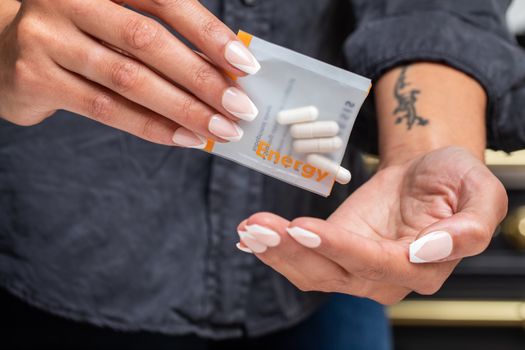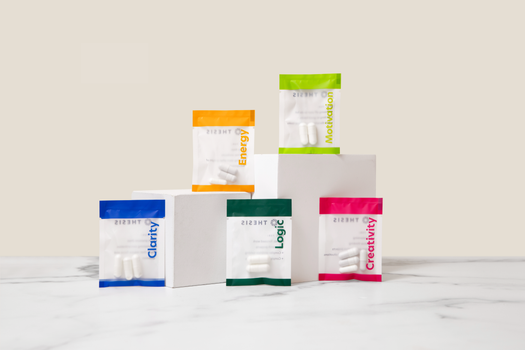
In recent years, the health supplement industry has exploded, transforming from a niche market to a multi-billion-dollar global powerhouse. With consumers increasingly focused on wellness, immunity, and preventive health, products ranging from vitamins to herbal extracts are flying off shelves and dominating online sales channels. But with so much buzz, many entrepreneurs and investors are left wondering: what is the real income potential in health supplements? This article takes a deep dive into the financial opportunities, industry dynamics, and pathways to profit within the booming health supplement sector.
The Expanding Health Supplement Market: Numbers That Matter
The global health supplement market has witnessed remarkable growth in the past decade. According to Grand View Research, the industry was valued at $151.9 billion in 2021 and is projected to reach $327.4 billion by 2030, growing at a compound annual growth rate (CAGR) of 8.9%. In the United States alone, the Council for Responsible Nutrition reported that 77% of adults consumed dietary supplements in 2022, up from 68% in 2015.
Several factors are fueling this surge:
- Aging populations seeking preventive health solutions - Rising awareness about immunity and nutrition, especially post-pandemic - Increased accessibility via e-commerce and direct-to-consumer modelsThis growing demand creates a fertile ground for income generation. Whether you’re an entrepreneur, investor, or side-hustler, there are multiple avenues within the health supplement market to explore.
.png)
Business Models: Comparing Routes to Profit
The health supplement industry offers a variety of business models, each with distinct income potentials and operational requirements. Here’s a comparative overview of the most common approaches:
| Business Model | Initial Investment | Profit Margins | Time to Profitability | Scalability |
|---|---|---|---|---|
| Manufacturing & Branding | $50,000 - $500,000 | 30-60% | 1-2 years | High |
| Private Labeling | $10,000 - $100,000 | 20-40% | 6-12 months | Medium-High |
| Affiliate Marketing | Minimal ($0-$1,000) | 5-15% | 1-6 months | Medium |
| Dropshipping | $500 - $5,000 | 10-25% | 3-9 months | Medium |
| Direct Selling/MLM | $100 - $2,000 | 10-35% | 1-12 months | High (with network) |
As seen above, manufacturing and branding your own supplement line requires significant upfront investment but provides the highest margins and scalability, making it attractive for those with capital and a long-term vision. Private labeling offers a middle ground, while affiliate marketing and dropshipping enable low-barrier entry, albeit with slimmer profit margins.
Key Drivers of Income: What Influences Profitability?
Profit in the health supplement industry doesn’t happen by accident. Several factors can dramatically influence your earning potential, regardless of the business model you choose:
1. $1 - Supplements are a crowded field. Targeting a specific niche—like vegan protein powders, anti-aging formulas, or gut health blends—can help you command higher prices and foster brand loyalty. - Example: The global gut health supplement market alone is projected to reach $9.5 billion by 2027, according to Research and Markets. 2. $1 - 63% of consumers check for third-party certifications or lab testing before purchasing supplements (CRN report, 2022). - High-quality, transparent brands build trust, leading to repeat customers and positive word-of-mouth, both of which are crucial for sustainable income. 3. $1 - The average cost to acquire a new supplement customer online ranges from $20 to $100, depending on the channel and product. - Subscription models and loyalty programs can increase customer lifetime value (CLV), turning one-time buyers into reliable sources of income. 4. $1 - The U.S. Food and Drug Administration (FDA) regulates dietary supplements under the Dietary Supplement Health and Education Act of 1994 (DSHEA), but requirements vary globally. - Non-compliance can lead to costly recalls or legal action, making it essential to consider regulatory costs and risks in your income calculations.Digital Transformation: The E-Commerce Advantage
Online sales have revolutionized the health supplement sector. In 2022, 77% of supplement sales in the U.S. occurred online, up from just 52% in 2016 (Nutrition Business Journal). E-commerce offers distinct advantages:
- $1 No need for a physical storefront - $1 Access to national and international markets - $1 Ability to track customer behavior and optimize campaignsSuccessful brands leverage social media, influencer partnerships, and targeted ads to reach health-conscious consumers. One notable example is Ritual, a vitamin brand founded in 2016 that grew to $100 million in annual revenue by focusing on direct-to-consumer online sales and transparency.
Affiliate marketing and dropshipping models thrive in this environment, allowing individuals to earn commissions by promoting or selling supplements without holding inventory. Influencers with strong followings in fitness, wellness, or nutrition can generate substantial side income—some earning $1,000 to $10,000 per month in commissions, depending on their reach and niche.
Challenges and Risks: What to Watch Out For
While the income potential in health supplements is significant, there are hurdles to consider.
- $1 Over 29,000 unique dietary supplements were listed in the U.S. market as of 2023, making differentiation a challenge. - $1 Non-compliance can lead to fines, product bans, or liability issues. In 2022, the FDA issued over 150 warning letters to supplement companies for mislabeling or unproven claims. - $1 The COVID-19 pandemic highlighted vulnerabilities in sourcing ingredients, with raw material costs for some supplements (like vitamin C) rising by 50% in 2020. - $1 The supplement industry is sometimes plagued by skepticism due to past scandals or unsubstantiated claims. Building credibility is essential for long-term success.Entrepreneurs must be prepared to invest in rigorous quality control, ethical marketing, and robust customer service to mitigate these risks.
Real-World Success Stories: Learning from the Best
Several companies and individuals have demonstrated the profitability of the health supplement industry:
- $1 Famous for its apple cider vinegar gummies, Goli achieved $100 million in revenue within two years of launch by leveraging influencer marketing and DTC (direct-to-consumer) e-commerce. - $1 Focused on personalized supplement packs, Care/of was acquired by Bayer in 2020 for approximately $225 million after building a loyal subscriber base online. - $1 Many small-scale sellers on Amazon or Shopify report monthly earnings ranging from $2,000 to $20,000, depending on product selection, marketing efforts, and customer retention.These examples showcase that both large brands and individuals can achieve substantial income, provided they execute well and adapt to market shifts.
Maximizing Your Income Potential in Health Supplements: Strategic Insights
To capitalize on the lucrative opportunities in this field, consider these strategies:
- $1 Use customer data to personalize offers, optimize pricing, and predict trends. - $1 A recognizable, trustworthy brand can command premium pricing and foster loyalty. - $1 Once established, diversifying into adjacent supplement categories (e.g., from basic vitamins to functional mushrooms or adaptogens) can increase average order value and reduce risk. - $1 Content marketing, webinars, and free resources can position your brand as an authority, driving organic traffic and conversions. - $1 Collaborate with health professionals, gyms, or wellness influencers to broaden your reach.By combining these approaches with a customer-centric mindset and careful risk management, you can unlock significant and sustainable income in the health supplement sector.