The Power of Health Supplements in Direct Selling: Transforming Wellness and Business
The direct selling industry has experienced an extraordinary evolution over the past few decades, and nowhere is this more apparent than in the health supplement sector. As global awareness of personal wellness rises, so too does the demand for products that promise to promote vitality, boost immunity, and support healthy aging. Direct selling, long known for its personalized approach and community-driven ethos, has become a powerful channel for distributing health supplements. But what exactly makes health supplements so uniquely suited to direct selling? And how are these products reshaping both the wellness landscape and the business opportunities available to everyday people?
This article explores the unique synergy between health supplements and direct selling, examines the consumer psychology behind supplement purchases, and highlights the economic and social impacts of this thriving relationship.
The Synergy of Health Supplements and Direct Selling
Direct selling is defined by its person-to-person sales model, often leveraging independent distributors who act as product advocates within their communities. Health supplements, with their complex ingredient lists and diverse claimed benefits, are products that naturally lend themselves to education and personal recommendation—two core strengths of direct selling.
.png)
Unlike traditional retail, where supplements may sit anonymously on shelves, direct selling enables distributors to share personal stories, answer questions, and build trust with customers. According to the Direct Selling Association (DSA), in 2022, wellness products (including vitamins, minerals, and herbal supplements) made up 35% of total direct selling sales in the United States, amounting to $13.2 billion. This share has been steadily increasing over the last decade as consumers seek both personalized guidance and community support in their wellness journeys.
The interactive nature of direct selling allows distributors to tailor recommendations to individual needs, which is particularly valuable for health supplements, where efficacy can depend on age, lifestyle, and existing health conditions. As a result, customers are more likely to purchase, re-purchase, and recommend these products compared to those sold through impersonal retail channels.
Consumer Trust and the Power of Peer Influence
One of the most significant drivers behind the success of health supplements in direct selling is the profound role of trust and peer influence. Consumers are notoriously cautious when it comes to products that claim health benefits. A 2021 report from the Council for Responsible Nutrition found that 74% of supplement users rely on recommendations from friends or family before making a purchase, underscoring the importance of trust in this market.
Direct selling leverages this dynamic by placing product education and endorsement into the hands of people consumers already know and trust. Distributors often share their own experiences with the products, which can be particularly compelling when it comes to health outcomes. This peer-to-peer influence is amplified by social media, online communities, and live events, allowing testimonials and success stories to reach wider audiences.
Furthermore, direct selling companies often provide their distributors with ongoing education about the science behind their products. This empowers distributors to answer tough questions and build credibility, which is not always possible in traditional retail environments. The result is a powerful feedback loop: as customers see positive results and feel supported, they become more likely to join the direct selling network themselves, further expanding the company’s reach.
Innovation and Product Diversity in Health Supplements
The health supplement industry is characterized by rapid innovation, with new formulations and delivery methods appearing regularly. This is partly driven by consumer interest in tailored wellness solutions, such as supplements for sleep, immunity, gut health, or cognitive performance. In 2023, the global dietary supplements market was valued at $177.5 billion and is projected to reach $239.4 billion by 2027, according to Statista.
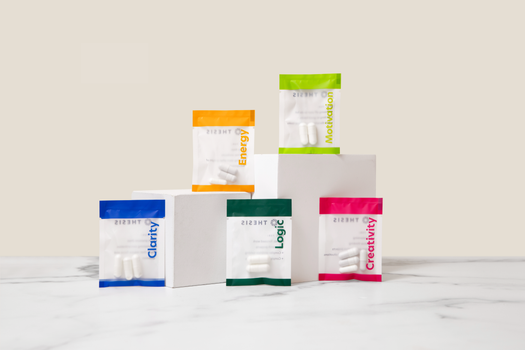
Direct selling companies are often at the forefront of these trends, launching novel products that tap into emerging consumer interests. For example, plant-based protein powders, adaptogenic herbal blends, and personalized vitamin packs are just a few categories that have gained traction through direct sales channels. Because distributors have close contact with their customers, they are well-positioned to receive feedback and report on new demands, allowing companies to adapt more quickly than traditional retail brands.
To illustrate the diversity and innovation, consider the following comparison of supplement types commonly offered through direct selling companies:
| Supplement Type | Key Benefits | Popular Direct Selling Brands | Estimated 2023 Market Share |
|---|---|---|---|
| Multivitamins | General health, nutritional insurance | Amway, Herbalife | 22% |
| Protein Powders | Muscle recovery, weight management | Isagenix, USANA | 17% |
| Herbal Supplements | Immune support, stress relief | Nature’s Sunshine, Shaklee | 15% |
| Omega-3s & Fish Oil | Heart and brain health | Forever Living, Oriflame | 10% |
| Gut Health Probiotics | Digestive balance, immunity | Modere, Plexus | 9% |
This variety not only meets a wide range of consumer needs but also enables distributors to build tailored product portfolios, increasing their potential for repeat sales and customer loyalty.
Empowering Entrepreneurs and Local Economies
Health supplements in direct selling are not just about products—they are a vehicle for economic empowerment. The low barrier to entry and flexible work model attract millions of independent distributors worldwide. According to the World Federation of Direct Selling Associations, there were over 125 million direct selling representatives globally in 2022, with more than 60% focused on health and wellness products.
This model provides vital income opportunities in regions where traditional employment may be scarce or inflexible. For example, in India, the direct selling wellness segment grew by 18% in 2022, creating jobs for over 6 million people, many of whom are women seeking financial independence. The flexibility of direct selling allows people to supplement their income, work part-time, or even build full-time careers around health supplement sales.
Moreover, direct selling fosters entrepreneurship, providing training in sales, marketing, and business management. Many companies offer tiered incentives, bonuses, and recognition programs, incentivizing success and personal growth. In the United States, the median annual sales revenue for a full-time direct seller in health and wellness was $12,500 in 2022, with top performers earning significantly more.
The Role of Regulation and Quality Assurance
Given the health claims associated with dietary supplements, regulatory oversight is crucial for consumer safety and industry credibility. In the United States, the Food and Drug Administration (FDA) regulates dietary supplements as food, not drugs, meaning they cannot legally claim to diagnose, treat, cure, or prevent diseases. However, reputable direct selling companies invest heavily in quality assurance, third-party testing, and transparency to build consumer confidence.
For instance, many leading brands voluntarily adhere to Good Manufacturing Practices (GMP) and provide Certificates of Analysis (COA) for their products. Some participate in industry initiatives such as the United States Pharmacopeia (USP) Verified Mark or NSF International certification, which provide additional assurance of product safety, purity, and potency.
Education also plays a key role: direct selling companies provide their distributors with up-to-date information about compliance, labeling, and ethical marketing. This not only protects consumers but also helps maintain the reputation of the direct selling industry as a whole. In 2021, the DSA reported that 92% of direct selling companies had instituted formal compliance training for their salesforce, up from 78% just five years earlier.
Social Impact: Building Healthier Communities
Beyond individual wellness and economic benefits, the power of health supplements in direct selling extends to social impact. Because direct selling is inherently community-oriented, it often serves as a platform for health education, disease prevention, and support networks. Distributors frequently organize wellness seminars, fitness challenges, or health screenings, fostering a culture where healthy living is celebrated and shared.
These community initiatives can have measurable effects. For example, a 2020 study published in the Journal of Community Health found that neighborhoods with active direct selling networks had higher rates of nutritional supplement use and reported greater knowledge about preventive health than comparable areas without such networks. By encouraging proactive health management, direct selling can help reduce healthcare costs and burden on public health systems.
Moreover, the inclusive nature of direct selling—open to people regardless of age, education, or background—means that health knowledge and access to supplements can reach under-served populations, narrowing gaps in wellness outcomes.
Unlocking the Full Potential of Health Supplements in Direct Selling
The intersection of health supplements and direct selling is a dynamic force transforming both the wellness industry and the lives of millions of entrepreneurs worldwide. By combining high-quality, innovative products with the power of personal relationships and community engagement, direct selling creates a unique platform for promoting health and prosperity.
With ongoing advances in supplement science, growing consumer interest in holistic wellness, and the continued democratization of entrepreneurial opportunity, the future of health supplements in direct selling looks brighter than ever. As regulations tighten and transparency improves, trust in the industry is likely to deepen, unlocking new potential for both consumers and business owners alike.