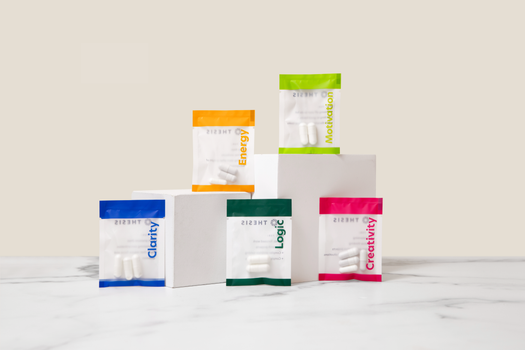
The health supplements industry has transformed over the past decade from a niche market into a global powerhouse, drawing entrepreneurs, investors, and visionaries alike. As awareness around health, wellness, and preventive care continues to surge, so does the demand for high-quality supplements. The sheer scale and diversity of this sector offer a multitude of profitable business opportunities for those willing to innovate, adapt, and seize the moment. This article will explore unique angles within the health supplements industry, examining emerging trends, untapped markets, new business models, and critical strategies for aspiring business owners looking to carve a lucrative niche.
The Health Supplements Boom: Market Growth and Consumer Trends
The global health supplements market has witnessed unprecedented growth in recent years. According to Grand View Research, the market size was valued at USD 163.9 billion in 2022 and is projected to reach USD 327.4 billion by 2030, expanding at a compound annual growth rate (CAGR) of 8.9%. This rapid expansion is fueled by several factors:
- Increased health consciousness and preventive healthcare practices - Aging populations seeking longevity and vitality - Rise of chronic diseases and lifestyle-related health issues - Greater accessibility through e-commerce and direct-to-consumer modelsA notable shift is occurring in consumer preferences: today's buyers are more informed, demanding transparency, clean labels, and evidence-based formulations. According to a 2023 survey by FMCG Gurus, 63% of supplement users research the ingredients and efficacy before making a purchase. This creates space not just for established brands but also for new entrants focused on transparency, science-backed products, and ethical sourcing.
.png)
Emerging and Untapped Niches in the Health Supplements Sector
While foundational products like multivitamins, protein powders, and omega-3 supplements remain popular, lucrative opportunities exist in emerging and underserved niches. Here are some promising areas:
1. $1 The era of one-size-fits-all is fading. Advances in biotechnology and AI have made personalized supplements—tailored based on genetic, lifestyle, and health data—possible and increasingly sought-after. Companies like Care/of and Baze are already making waves, offering customized monthly packs, but the concept is still in early stages globally. 2. $1 With mental health taking center stage, supplements that support cognitive function, stress reduction, and sleep are seeing explosive growth. Nootropics, adaptogens, and botanicals such as ashwagandha and lion’s mane are in high demand, a trend confirmed by a 2022 Mordor Intelligence report showing a 15% year-over-year increase in the nootropics category. 3. $1 Driven by ethical, environmental, and health considerations, the plant-based supplements market is expected to grow at a CAGR of 9.4% through 2028 (Allied Market Research). This sector caters not only to vegans but also to the broader demographic seeking clean, allergen-free, and sustainable options. 4. $1 Pet wellness is a booming subsector, with the American Pet Products Association reporting that U.S. pet owners spent over $800 million on pet supplements in 2022. Products addressing joint health, anxiety, and skin conditions for dogs and cats are particularly popular. 5. $1 Supplements tailored for specific life stages, genders, or conditions—such as prenatal vitamins, menopause support, or supplements for athletes—allow brands to serve niche yet loyal customer bases.Business Models: Beyond Traditional Retail
Entering the health supplements industry does not require massive manufacturing facilities or a brick-and-mortar store. Innovative business models have lowered the barrier to entry and created sustainable revenue streams. Here are some of the most profitable approaches:
- $1 Entrepreneurs can partner with contract manufacturers to create branded products without investing in production infrastructure. This approach allows for rapid market entry and the ability to focus on branding, marketing, and customer experience. - $1 Offering supplements through monthly subscription boxes ensures recurring revenue and higher customer retention. The global subscription e-commerce market was valued at $120 billion in 2022, and health supplements are a leading category. - $1 Online sales channels have democratized access, enabling small brands to reach global audiences. In 2023, 77% of supplement users in the U.S. reported buying at least one product online, according to Statista. - $1 Leveraging social media personalities and bloggers to promote supplements on a commission basis can drive substantial traffic and sales, especially among younger demographics. - $1 Supplying bulk ingredients or finished products to other brands, health clinics, gyms, or wellness centers provides another lucrative avenue, particularly for those with expertise in sourcing or formulation.Key Success Factors: Quality, Compliance, and Brand Differentiation
Despite the promise of high profit margins—estimated by IBISWorld to average 16% for supplement manufacturers—success in this industry requires strict attention to certain fundamentals:
1. $1 Regulatory scrutiny is increasing worldwide. The U.S. Food and Drug Administration (FDA) and European Food Safety Authority (EFSA) enforce Good Manufacturing Practices (GMP) and require accurate labeling and safe formulations. Failure to comply can result in costly recalls and brand damage. 2. $1 Consumers are wary of unsubstantiated claims. Brands investing in clinical studies, transparent sourcing, and evidence-based marketing outperform competitors. A 2022 Council for Responsible Nutrition (CRN) survey found that 74% of supplement users are more likely to purchase products with published scientific research. 3. $1 Trust is paramount in health. Brands that foster loyalty through transparency, educational content, and excellent customer service build lasting relationships and command premium pricing. 4. $1 Eco-friendly packaging, responsible sourcing, and corporate social responsibility initiatives resonate with modern consumers. The Global Wellness Institute reports that 49% of wellness consumers are willing to pay more for sustainable products.Comparative Overview: Profitable Niches in Health Supplements
Below is a comparative table highlighting several high-potential niches, their projected market growth, target demographics, and unique selling points:
| Niche | Projected CAGR (2023-2030) | Key Demographic | Unique Selling Point |
|---|---|---|---|
| Personalized Nutrition | 11.5% | Health-conscious, tech-savvy adults | Customized formulas based on genetic/lifestyle data |
| Mental Wellness (Nootropics) | 15% | Young professionals, students | Cognitive enhancement, stress relief |
| Plant-Based Supplements | 9.4% | Vegans, vegetarians, environmentally conscious | Allergen-free, ethical, sustainable |
| Pet Supplements | 7.1% | Pet owners, vets, breeders | Joint health, anxiety relief, skin/coat improvement |
| Life-Stage/Gender-Specific | 8.2% | Pregnant women, athletes, seniors | Targeted support for specific needs |
Challenges and Risk Management in the Health Supplements Business
The rewards in the health supplements industry can be substantial, but so are the risks. Entrepreneurs must navigate several unique challenges:
- $1 Laws vary widely by country and are constantly evolving. For instance, the European Union has stricter ingredient and health claim regulations than the U.S. Regular legal consultation is essential. - $1 Certain categories, such as multivitamins and protein powders, are highly competitive. Differentiation through innovation, branding, or targeting untapped markets is crucial. - $1 The COVID-19 pandemic highlighted vulnerabilities in global supply chains. Building strong supplier relationships and diversifying sourcing can mitigate risks. - $1 High-profile scandals, such as products containing unlisted ingredients or false claims, have made consumers cautious. Rigorous quality control and third-party certifications (like NSF or USP) are vital for credibility. - $1 The wellness market is trend-driven. Staying agile, monitoring consumer preferences, and investing in R&D help businesses stay ahead.Investing in the Future: Tech Innovations and Global Expansion
Technology is reshaping the health supplements landscape, offering new ways to engage consumers and streamline operations. Here are some innovations driving the next wave of growth:
- $1 Mobile apps and online platforms now offer personalized supplement recommendations, track adherence, and provide educational resources, enhancing customer engagement and lifetime value. - $1 Blockchain technology allows companies to track ingredients from source to shelf, assuring consumers of product purity and ethical sourcing. - $1 Collaborating with telemedicine providers enables supplement brands to offer integrated health solutions, such as virtual consultations with dietitians and personalized supplement plans. - $1 Emerging markets, particularly in Asia-Pacific and Latin America, are experiencing double-digit growth rates. Adapting products to local regulations, tastes, and health needs opens new revenue streams.Seizing Profitable Opportunities in the Health Supplements Industry
The health supplements industry is no longer just about selling vitamins. It is a dynamic, innovation-driven sector with opportunities across personalized nutrition, mental wellness, plant-based and pet supplements, and beyond. Success hinges on quality, trust, differentiation, and adaptability. Entrepreneurs who stay ahead of trends, prioritize compliance, and invest in technology can tap into a market projected to surpass $327 billion by 2030. Whether you are an investor, retailer, or aspiring founder, now is the time to explore the diverse and rewarding business opportunities this industry offers.