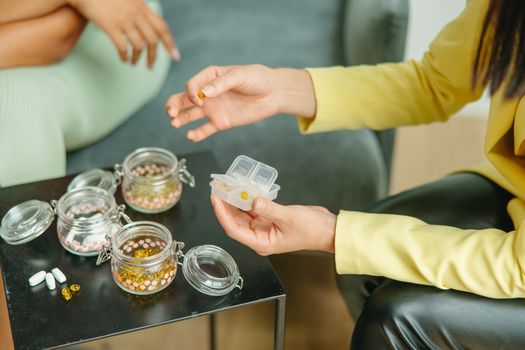
In the ever-competitive world of health supplements, standing out isn’t just about offering the latest superfood or vitamin blend. It’s about how effectively you present your product and the story you tell. With global sales of dietary supplements projected to reach $230.7 billion by 2027 (according to Grand View Research), brands must go beyond basic marketing and focus on compelling, strategic product presentations. This article explores how to improve product presentations and, as a result, increase sales of health supplements, with actionable insights, real-world examples, and a data-driven approach.
The Psychology Behind Effective Supplement Product Presentations
Understanding what drives customer decisions is crucial when it comes to health supplements. Research from the Journal of Consumer Research indicates that consumers are more likely to purchase products that are presented with clear, relatable benefits and visual cues that signal quality and trustworthiness. The supplement market, crowded with options, demands presentations that quickly communicate value and alleviate skepticism.
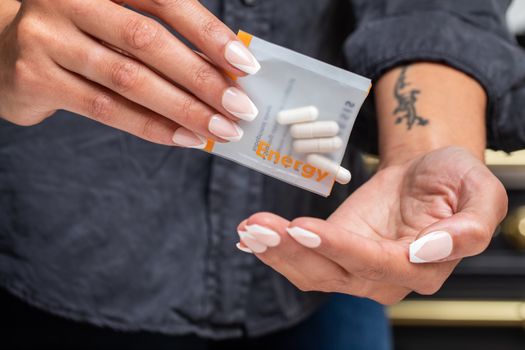
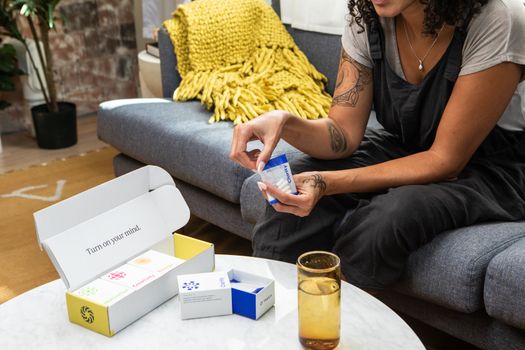
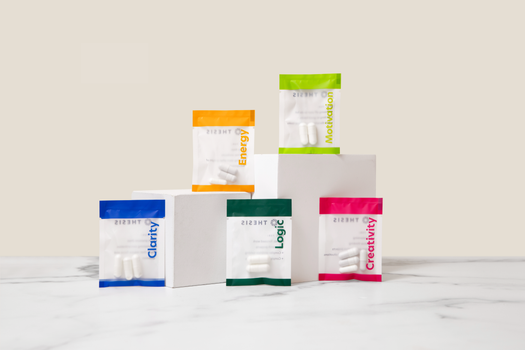
Visual elements play a significant role. A study by the Nielsen Norman Group shows that people process images 60,000 times faster than text. This means that your product images, label designs, and packaging are more than just aesthetic choices—they’re powerful sales tools. For instance, supplements in sleek, professionally-designed bottles with easy-to-read labels consistently outsell those with generic or cluttered packaging.
.png)
Moreover, the language used in product descriptions impacts buying decisions. According to a 2022 survey by Label Insight, 94% of consumers are likely to be loyal to a brand that offers complete transparency. This means supplement brands must clearly communicate ingredients, sourcing, and benefits without resorting to overhyped claims.
Crafting Compelling Visuals and Packaging
First impressions matter, especially in a health-conscious market where trust is paramount. Packaging and product visuals are often the first touchpoints for customers, both online and offline.
Effective supplement packaging includes:
- Clean, modern designs that communicate purity and professionalism - Clear labeling of active ingredients, dosages, and certifications (such as GMP, vegan, gluten-free) - High-resolution, multi-angle product photos for online listingsConsider the case of Ritual, a vitamin brand known for its minimalist, see-through bottles. Their design transparency mirrors their ingredient transparency, helping build trust and boosting sales. In 2021, Ritual reported a 70% increase in online conversions after updating their product presentation to highlight content clarity and ingredient sourcing.
It’s also important to adapt visuals for the platform. For example, Amazon recommends supplement sellers use at least seven images per product, including close-ups of nutrition labels, to boost conversion rates by up to 30%.
Leveraging Storytelling and Education in Your Presentations
Customers want to know not just what your supplement is, but why it matters to them. Storytelling bridges the gap between product features and customer needs.
Educational content can be integrated directly into product presentations:
- Include infographics that illustrate how the supplement works in the body. - Use short videos demonstrating the supplement’s origin, production process, or unique selling points. - Offer guides or downloadable PDFs explaining the science behind your formulation.For example, Onnit, a supplement company, uses educational videos and blog content to explain the science of their flagship products, resulting in a 45% higher customer retention rate compared to competitors relying solely on static product listings.
This kind of transparency and education builds credibility, reduces customer hesitation, and increases the perceived value of your supplements.
Utilizing Social Proof and Authentic Testimonials
In health supplements, trust is everything. According to BrightLocal’s 2023 Consumer Review Survey, 87% of consumers read online reviews for local businesses, and 79% trust online reviews as much as personal recommendations.
Effective ways to integrate social proof into product presentations include:
- Displaying verified customer reviews and before/after photos - Highlighting expert endorsements or certifications from nutritionists, doctors, or fitness trainers - Sharing user-generated content from social mediaConsider Nutrafol, a hair supplement company, which showcases dermatologist endorsements and real customer stories with photographic evidence. This approach helped Nutrafol increase direct-to-consumer sales by 120% year-over-year in 2022.
The key is to ensure all testimonials are authentic and specific. Generic praise (“Great product!”) is less persuasive than detailed feedback (“After 3 months of daily use, my hair felt noticeably thicker and stronger”).
Optimizing Digital Product Displays for Conversion
With over 77% of supplement purchases now happening online (Statista, 2023), your digital product display is your virtual storefront. Optimizing this experience is critical for capturing sales.
Key elements of a high-converting supplement product page:
- Fast-loading, mobile-friendly design - Prominent display of product benefits, certifications, and key differentiators - Clear calls to action (e.g., “Add to Cart,” “Subscribe & Save”) - Integration of live chat or Q&A support for real-time customer questionsA/B testing different layouts, images, and calls-to-action can yield measurable improvements. For example, supplement brand Care/of saw a 28% increase in completed purchases after adding a personalized quiz to its product pages, guiding customers to the right supplements and increasing engagement.
The table below summarizes how different product presentation strategies impact sales performance:
| Presentation Strategy | Impact on Sales | Real-World Example |
|---|---|---|
| Enhanced Packaging & Visuals | Up to 70% increase in conversions | Ritual’s transparent bottles and clean design |
| Educational Content | 45% higher retention rates | Onnit's science-based videos and guides |
| Social Proof Integration | 120% YoY sales growth | Nutrafol’s expert and customer testimonials |
| Interactive Digital Features | 28% more completed purchases | Care/of’s personalized supplement quiz |
Harnessing Data and Feedback for Continuous Improvement
Improving product presentations isn’t a one-time effort. Leading supplement brands use data analytics and customer feedback to refine and optimize their presentations over time.
Ways to use data for ongoing improvement:
- Track which product images, layouts, or descriptions have the highest conversion rates - Monitor customer reviews for recurring questions or objections and address these directly in your presentation - Conduct periodic surveys to understand what information customers feel is missing or unclearFor example, a 2022 survey by The Hartman Group found that 61% of supplement users want more information about ingredient sourcing. Brands that responded by updating their product pages with sourcing maps and supplier information saw a 20% average uptick in customer trust scores.
Iterative improvements based on real customer data can keep your presentations fresh, relevant, and effective in driving sales.
Key Takeaways on Boosting Supplement Sales Through Better Presentations
Improving product presentations is about more than aesthetics—it’s about building trust, delivering value, and guiding customers to make confident, informed decisions. In the crowded health supplement market, brands that invest in professional visuals, clear education, authentic social proof, and data-driven optimization will consistently outperform competitors.
Remember, every touchpoint—whether it’s a product label, web page, or testimonial—contributes to your brand’s reputation and your bottom line. By focusing on transparent communication and customer-centric experiences, you can turn browsers into loyal buyers and boost your health supplement sales in a sustainable, credible way.