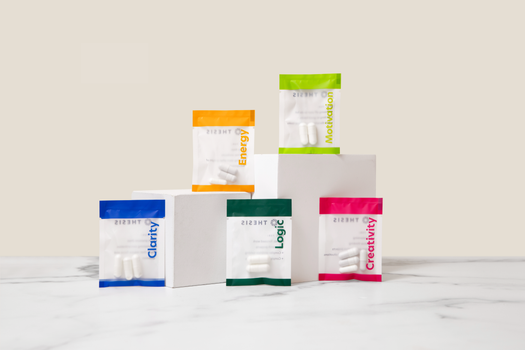
The health supplements industry has experienced explosive growth over the past decade, fueled by increased health awareness, aging populations, and the rise of wellness culture. According to Grand View Research, the global dietary supplements market was valued at $151.9 billion in 2021, with projections to reach $327.4 billion by 2030. This boom has created a vast ecosystem of businesses, each seeking new and innovative ways to generate revenue. But what are the primary—and sometimes overlooked—revenue streams in the health supplements business? Let’s explore the diverse opportunities that entrepreneurs, brands, and even content creators can tap into within this ever-evolving market.
The Evolving Landscape of Health Supplement Sales Channels
Traditionally, health supplements were sold primarily through brick-and-mortar stores and pharmacies. Today, however, the landscape is much more fragmented and dynamic. Direct-to-consumer (DTC) online sales have surged, with Statista reporting that over 77% of U.S. supplement users purchased products online in 2023. This shift has opened up a plethora of revenue channels, from company-owned e-commerce stores to third-party platforms like Amazon and iHerb.
But the evolution doesn’t stop there. Subscription models, influencer collaborations, and even private label manufacturing now offer lucrative alternatives to classic retail. The rise of these diverse channels allows businesses to reach new customer segments, improve profit margins, and build recurring revenue streams.
.png)
Wholesale, Private Label, and White Label: B2B Revenue Opportunities
While direct-to-consumer remains the most visible revenue stream, business-to-business (B2B) sales are a powerhouse of the health supplements industry. Brands often sell products in bulk to gyms, health food stores, and wellness clinics at discounted wholesale prices. According to IBISWorld, U.S. vitamin and supplement wholesalers generated over $42 billion in 2023 alone.
Private label and white label manufacturing represent another major B2B revenue stream. In private labeling, a manufacturer creates products that are branded and sold by another company. This model allows retailers and influencers to quickly launch their own supplement lines without investing in research, development, or production facilities. White label, on the other hand, refers to generic products that multiple brands can purchase and rebrand as their own. Both models allow for rapid scaling and capitalizing on existing trends.
| Revenue Stream | Definition | Main Customers | Margin Potential |
|---|---|---|---|
| Wholesale | Bulk sales to retailers or institutions | Gyms, clinics, health stores | Low to medium |
| Private Label | Products manufactured for exclusive branding | Retail chains, influencers, e-commerce brands | Medium to high |
| White Label | Generic products sold for rebranding | Startups, online resellers | Medium |
Subscription Models: Building Recurring Revenue
One of the most significant shifts in the health supplements industry has been the adoption of subscription-based sales. Rather than making one-off purchases, customers can subscribe to monthly or quarterly deliveries of their chosen products. This model offers several advantages for both consumers and businesses:
- Predictable Revenue: Subscription models create steady, recurring income, reducing the volatility of seasonal sales. - Increased Lifetime Value: Subscribers typically stay longer and spend more than one-time buyers. According to Zuora, subscription businesses grow revenues five times faster than traditional businesses. - Customer Retention: Regular deliveries foster brand loyalty and reduce churn.Prominent supplement brands like Ritual, Care/of, and HUM Nutrition have built their entire business models on subscriptions. The key to success lies in personalization—using quizzes, recommendations, and flexible plans to keep customers engaged and satisfied.
Affiliate Marketing and Influencer Partnerships
The power of digital content creators cannot be overstated in the health supplement sector. Affiliate marketing allows bloggers, YouTubers, and social media influencers to earn commissions by promoting supplement brands to their audiences. In 2022, the affiliate marketing industry was valued at $17 billion globally, with health and wellness among the top-performing niches.
Supplement companies often provide affiliates with unique tracking links and offer commissions ranging from 5% to 30% per sale. Influencer partnerships can also take the form of sponsored content, product placements, or even co-branded product lines. For example, popular fitness influencers frequently launch limited-edition supplements in collaboration with major brands, creating buzz and driving significant sales.
This revenue stream is a win-win: brands reach new audiences, while content creators monetize their expertise and platforms. In many cases, affiliate-generated sales represent a substantial percentage of a supplement company’s overall revenue, especially for new or digitally native brands.
Education, Digital Products, and Consulting
Beyond selling physical supplements, many businesses diversify by offering education and digital products. These include online courses, eBooks, webinars, and personalized nutrition plans. The global e-learning market is expected to reach $457.8 billion by 2026, according to Global Industry Analysts, and health-related content is one of its fastest-growing sectors.
Some supplement companies employ registered dietitians or certified health coaches to provide one-on-one consulting services. These consultations can be bundled with product purchases or sold as standalone offerings. For entrepreneurs and practitioners, this revenue stream leverages expertise and builds trust, while providing customers with holistic health solutions.
Examples of digital product revenue streams include: - Personalized supplement plans based on DNA or biomarker testing - Mobile apps tracking supplement intake and health outcomes - Paid memberships for exclusive content or community accessThese offerings not only generate additional income but also help differentiate a brand in a crowded marketplace.
International Expansion and Export Markets
While the U.S., Europe, and Japan have long been dominant markets for health supplements, emerging economies present new frontiers for growth. According to Allied Market Research, Asia-Pacific is expected to be the fastest-growing region in the global supplements market through 2030, with a CAGR of 9.1%.
International expansion can unlock substantial revenue, but it also comes with challenges: regulatory compliance, logistics, and localization of marketing materials. Brands that invest in understanding local health trends and consumer preferences can gain a significant edge. For instance, the popularity of herbal supplements in India or collagen products in South Korea has driven targeted product launches by global companies.
Exporting also provides diversification—mitigating risks associated with economic downturns or regulatory changes in a single country. Many established supplement brands now generate 30-50% of their revenue from international sales.
Final Thoughts on Diversifying Revenue in the Health Supplements Business
The health supplements business is no longer defined by a single sales channel or product type. The most successful brands are those that diversify revenue streams, embracing everything from B2B and DTC sales to digital offerings and international expansion. In a market projected to surpass $320 billion by 2030, creativity and adaptability are key.
By understanding and leveraging these multiple revenue streams—whether it’s through subscriptions, private label manufacturing, affiliate marketing, or educational content—entrepreneurs and businesses can build resilient, future-proof companies ready to thrive in a rapidly changing wellness landscape.