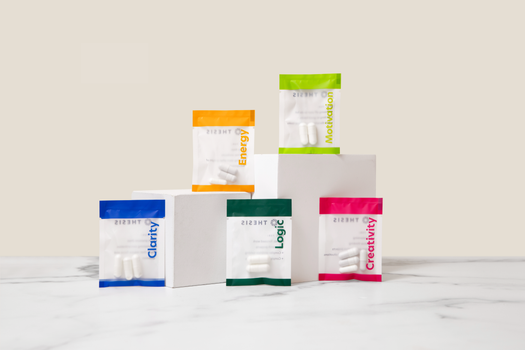
The global health supplement industry is booming, with the market exceeding $163 billion in 2022 and projected to reach over $272 billion by 2028. This rapid growth is fueled by increasing consumer awareness around wellness, nutrition, and preventive health. However, entering this lucrative space isn’t as simple as stocking up on trendy vitamins and waiting for sales to roll in. Many entrepreneurs and businesses make critical mistakes that can lead to legal issues, brand damage, or simply disappointing results.
If you’re selling health supplements—whether online, in a brick-and-mortar store, or through a network—understanding these common pitfalls is essential. In this article, we’ll explore the most frequent mistakes sellers make, provide real-world examples, and show you how to avoid them to build a reputable, profitable business.
The Hidden Risks of Non-Compliance in Supplement Sales
One of the gravest errors in selling health supplements is failing to comply with relevant regulations. Supplements are governed by strict rules set by bodies like the U.S. Food and Drug Administration (FDA), the Federal Trade Commission (FTC), and similar agencies worldwide. Ignoring or misunderstanding these regulations can have serious consequences.
.png)
For instance, in 2022, the FDA issued over 100 warning letters to supplement companies for non-compliant labeling, unsubstantiated health claims, or adulterated products. In severe cases, products are recalled, companies are fined, and brands lose customer trust overnight. Some common compliance mistakes include:
- $1 Promising to cure or treat diseases (e.g., “This supplement cures cancer”) is illegal and invites regulatory action. - $1 Missing required information such as ingredient lists, supplement facts, or disclaimers can result in penalties. - $1 Using substances not recognized as safe or legal for supplements can lead to bans and product seizures.To avoid these issues, sellers must stay updated on regulatory changes, ensure all marketing materials are vetted by compliance experts, and work only with reputable manufacturers who follow Good Manufacturing Practices (GMP).
Ignoring Quality Assurance: The Cost of Cutting Corners
Quality is the backbone of any successful supplement brand. Yet, many sellers make the mistake of prioritizing cost savings over rigorous quality assurance. This might mean choosing low-cost manufacturers without proper certifications or neglecting regular product testing.
A 2023 study by ConsumerLab found that 16% of tested supplements failed quality checks, containing either less or more of the labeled ingredient, or even harmful contaminants like heavy metals. These lapses can lead to serious health risks for consumers and irreparable damage to a company’s reputation.
Key elements of quality assurance include:
- $1 Engage independent labs to verify potency and contaminant levels. - $1 Disclose ingredient origins and supply chain practices. - $1 Look for seals such as NSF International, USP, or GMP on products.Below is a comparison table illustrating the impact of quality certifications on consumer trust and sales:
| Quality Certification | Consumer Trust (%) | Average Sales Increase (%) |
|---|---|---|
| None | 35 | 0 |
| GMP Certified | 55 | 18 |
| USP Verified | 67 | 27 |
| NSF Certified | 72 | 33 |
As shown, products with recognized certifications enjoy significantly greater consumer trust and higher sales.
Poor Understanding of the Target Market
Another frequent mistake is a lack of clear understanding of the target audience. The health supplement market is diverse, serving everyone from athletes and bodybuilders to seniors and wellness seekers. Trying to appeal to everyone often leads to generic products and diluted messaging.
For example, launching a generic multivitamin might seem like a safe bet, but the market is already saturated with similar offerings. Instead, brands that succeed often focus on specific niches—such as vegan supplements, women’s health, or cognitive support for seniors—and tailor their products, branding, and marketing accordingly.
To avoid this mistake:
- $1 Analyze competitor offerings, customer reviews, and emerging trends. - $1 Use surveys, social media, and direct feedback to understand consumer needs. - $1 Create detailed profiles of your ideal customers to guide product development and marketing strategies.A focused approach not only differentiates your brand but also increases the likelihood of repeat purchases.
Neglecting Transparent and Educational Marketing
Consumers today are more informed and skeptical than ever. A common misstep is relying on hype or vague promises instead of providing transparent, science-backed information. This can lead to distrust, negative reviews, and poor long-term performance.
According to a 2023 Nielsen survey, 81% of supplement buyers say they research products online before purchasing, and 68% are more likely to buy from brands that clearly explain ingredient benefits and usage.
Effective strategies include:
- $1 Offer blogs, videos, and infographics explaining how ingredients work. - $1 Clearly list all ingredients, dosages, and usage instructions. - $1 Reference scientific studies or provide links to credible research supporting your claims.Brands that prioritize education and transparency build stronger relationships with consumers, leading to higher retention and positive word-of-mouth.
Underestimating the Importance of Customer Experience
Even with a great product, poor customer experience can sink your supplement business. Mistakes in this area include slow shipping, unresponsive customer service, complicated return policies, or neglecting post-purchase engagement.
For example, a study by PwC found that 73% of consumers cite customer experience as a key factor in brand loyalty. In the supplement industry, where trust and credibility are paramount, a single negative interaction can deter repeat purchases and lead to damaging reviews.
Best practices for customer experience include:
- $1 Aim for shipping within 24-48 hours and provide tracking updates. - $1 Offer multiple channels (email, chat, phone) and train staff to handle supplement-specific questions. - $1 Make it easy for customers to understand and initiate returns or exchanges. - $1 Send post-purchase emails with usage tips, refill reminders, and requests for reviews.Investing in customer experience not only drives loyalty but also encourages referrals and organic growth.
Overlooking Digital Compliance and Online Reputation Management
In the age of e-commerce, many supplement brands rely heavily on digital channels. However, failing to manage online compliance and reputation is a critical error.
Common online pitfalls include:
- $1 Social media platforms and search engines have strict rules about supplement advertising. Ads making unsubstantiated claims or lacking proper disclaimers can be banned or penalized. - $1 Unaddressed negative feedback on platforms like Amazon, Trustpilot, or Google Reviews can quickly erode trust. - $1 Not showcasing testimonials, certifications, or expert endorsements can make your brand appear less credible.To avoid these mistakes:
- $1 for compliance with platform policies. - $1 across all sales channels and respond professionally to concerns. - $1 and third-party endorsements on your website and marketing materials.Digital compliance and reputation management are ongoing efforts that play a major role in long-term success.
Final Thoughts on Avoiding Common Supplement Selling Mistakes
Selling health supplements offers enormous potential—but only for those who approach the business with diligence, transparency, and a genuine commitment to quality. Avoiding the most common mistakes—non-compliance, poor quality assurance, vague marketing, neglecting customer experience, and ignoring digital best practices—will set your brand apart in this competitive industry.
By staying informed, investing in quality and education, and focusing on customer trust, you’ll not only avoid costly pitfalls but also position your business for lasting growth. Remember, the most successful supplement brands are built on a foundation of credibility, compliance, and genuine value to the consumer.